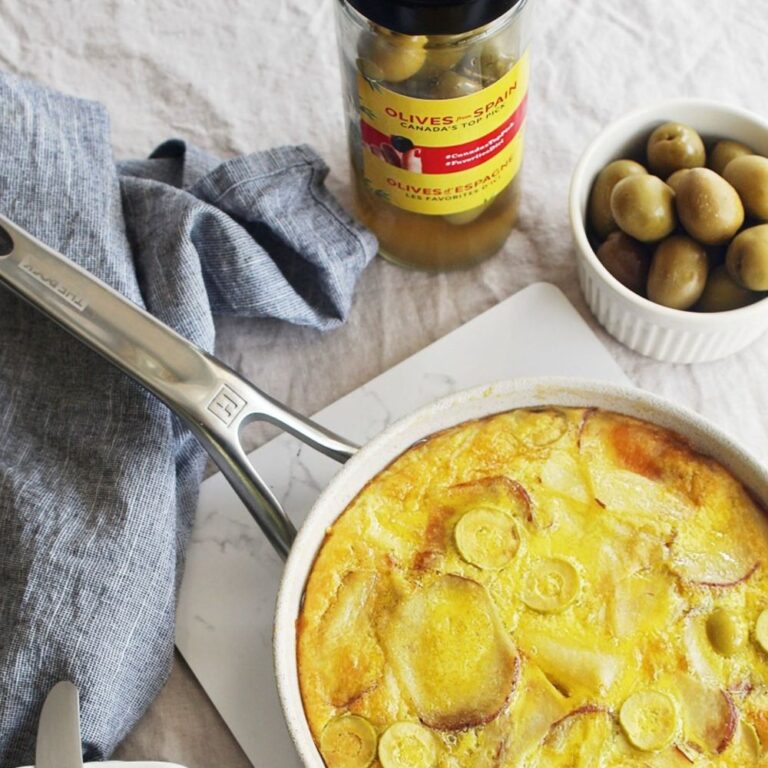
What Are Table Olives?
Table olives are olives that have been processed to remove their natural bitterness and make them suitable for consumption. Differences in harvest timing, processing methods, and fermentation result in distinct olive styles with unique textures and flavours.
Spanish‑Style Green Olives
Harvest Stage
- Harvested before full ripeness
Texture
- Firm and crisp
Flavour
- Mild, clean, and salty
- Low bitterness
Processing Method
- Treated with a lye solution to remove bitterness
- Rinsed thoroughly
- Naturally fermented in brine
Common Uses
- Table snacks and tapas
- Salads and seafood dishes
- Sandwiches and appetisers
Greek‑Style Black Olives
Harvest Stage
- Fully ripe at harvest
Texture
- Fleshy and tender
Flavour
- Rich and fruity
- Slight natural bitterness
Processing Method
- Naturally cured in brine
- No lye treatment
- Slow fermentation develops flavour
Common Uses
- Pasta dishes
- Salads and pizzas
- Mediterranean‑style cooking
Californian‑Style Black Olives
Harvest Stage
- Harvested while green or partially ripe
Texture
- Soft
Flavour
- Very mild
Processing Method
- Extended lye treatment to remove bitterness
- Oxidation used to darken colour
- Iron salts stabilise colour
- Preserved in brine
Common Uses
- Pizzas
- Sandwiches
- Mixed salads
Comparison Overview
| Olive Style | Processing Method | Flavour Intensity | Texture |
| Spanish‑Style Green | Lye + fermentation | Mild | Firm |
| Greek‑Style Black | Natural fermentation | Robust | Fleshy |
| Californian‑Style Black | Lye + oxidation | Very mild | Soft |
Key Takeaway
The main differences between table olive styles are determined by ripeness at harvest and processing techniques. These factors influence flavour, texture, and how each olive style is best used in cooking.